A quiet revolution is unfolding one that doesn’t make noise but is impossible to ignore. From viral debates about AI-generated content replacing human creativity to concerns over machines making life-altering decisions, the conversation around How Artificial Intelligence is Reshaping the Future has taken a dramatic turn. What once felt like science fiction is now embedded in our daily routines guiding what we watch, how we work, and even how we think. But beneath the surface of convenience lies a deeper, more complex story that few are fully prepared to confront.
Over the past few years, artificial intelligence has evolved from a niche technological pursuit into a global force influencing industries, economies, and personal lives. Experts in technology and ethics alike are raising critical questions: Who controls this rapidly advancing intelligence? How reliable are the systems we’re beginning to trust? And perhaps most importantly, what does this transformation mean for the future of human potential? Understanding How Artificial Intelligence is Reshaping the Future requires more than just observing trends it demands a closer look at the real-world implications, both promising and unsettling.
The Growing Impact of Artificial Intelligence Across Industries
Artificial intelligence is no longer limited to tech companies—it is transforming healthcare, finance, education, and even agriculture. As businesses adopt smarter systems, the conversation around How Artificial Intelligence is Reshaping the Future continues to gain momentum. This shift is not just about automation but about redefining how industries operate, compete, and innovate in a digital-first world.
AI in Healthcare: Smarter Diagnosis and Treatment
AI-powered tools are helping doctors detect diseases earlier and recommend personalized treatments. From analyzing medical images to predicting patient risks, AI is enhancing accuracy and efficiency. This evolution is improving patient outcomes while reducing the burden on healthcare systems.
Key Benefits of AI in Healthcare
AI is delivering measurable improvements across the sector, making processes faster and more reliable.
- Early disease detection (e.g., cancer screening)
- Personalized treatment plans
- Reduced human error in diagnosis
- Faster drug discovery
AI in Business: Automation and Decision-Making
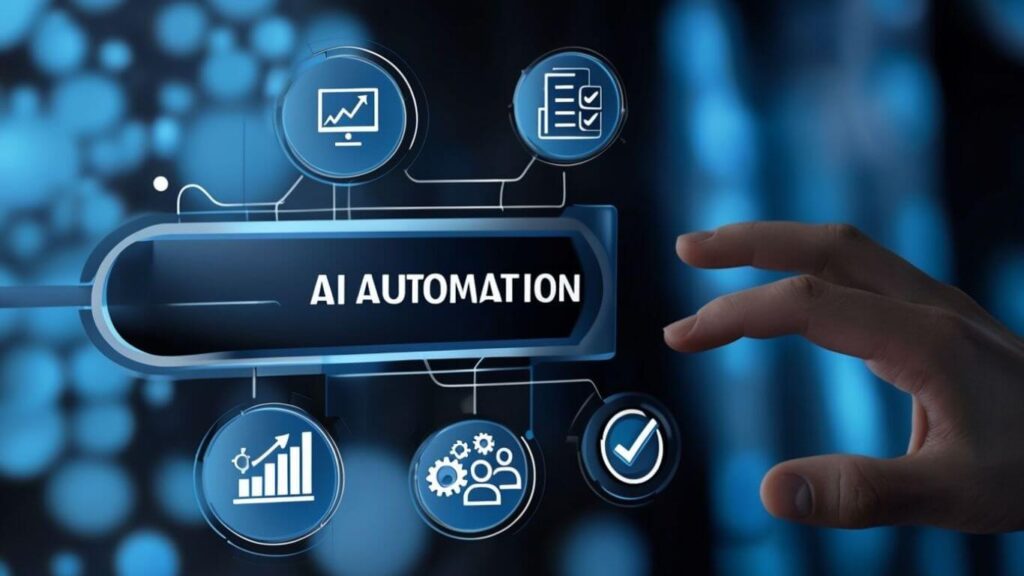
Businesses are leveraging AI to streamline operations and make data-driven decisions. Whether it’s chatbots handling customer queries or algorithms predicting market trends, AI is reshaping business strategies and customer experiences.
Pros and Cons of AI in Business
| Pros | Cons |
| Increased efficiency | Job displacement concerns |
| Better data insights | High implementation cost |
| 24/7 customer support | Data privacy risks |
| Scalability | Dependence on technology |
How AI is Transforming the Job Market
The rise of automation has sparked both excitement and fear regarding employment. While some jobs are becoming obsolete, new roles are emerging that require advanced digital and analytical skills. Understanding How Artificial Intelligence is Reshaping the Future of work is crucial for adapting to this evolving landscape.
Jobs at Risk vs Emerging Careers
Certain repetitive jobs are more likely to be automated, while creative and technical roles are growing. The job market is shifting toward skills that machines cannot easily replicate.
Comparison: Jobs Impacted by AI
| Jobs at Risk | Emerging Jobs |
| Data entry clerks | AI specialists |
| Telemarketers | Data scientists |
| Assembly line workers | Machine learning engineers |
| Basic customer support | AI ethics consultants |
Ethical Concerns and Challenges of Artificial Intelligence
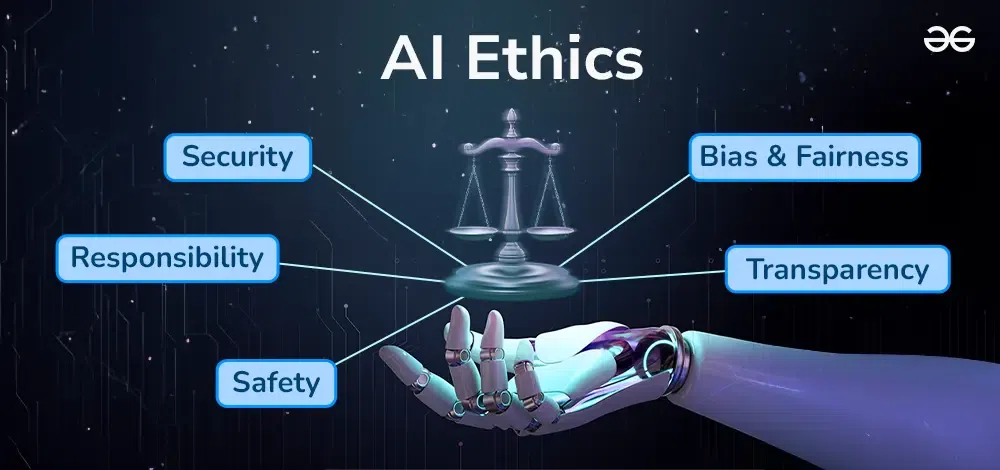
As AI systems become more powerful, ethical concerns are becoming harder to ignore. Issues like bias in algorithms, data privacy, and lack of transparency are raising serious questions about accountability and control.
AI Bias and Fairness
AI systems can unintentionally reflect human biases present in training data. This can lead to unfair outcomes in areas like hiring, lending, and law enforcement.
Key Ethical Challenges
- Algorithmic bias
- Lack of transparency
- Data misuse
- Accountability issues
The Role of AI in Everyday Life
From voice assistants to recommendation engines, AI is already deeply integrated into daily life. It shapes what we watch, buy, and even how we communicate, often without us realizing it.
Smart Assistants and Personalization
AI-driven assistants are making life more convenient by automating routine tasks. Personalized recommendations are enhancing user experiences across platforms.
Everyday Examples of AI
- Voice assistants (e.g., Siri, Alexa)
- Streaming recommendations
- Smart home devices
- Navigation and traffic prediction
Future Trends in Artificial Intelligence
The future of AI promises even more advanced capabilities, including human-like reasoning and improved emotional intelligence. As innovation accelerates, industries will continue to evolve at an unprecedented pace.
Emerging AI Technologies
New developments such as generative AI and autonomous systems are pushing boundaries. These innovations are redefining creativity, productivity, and problem-solving.
What to Expect Next
- AI-powered creativity tools
- Autonomous vehicles
- Advanced robotics
- Improved human-AI collaboration
Frequently Asked Questions (FAQ)
1. How Artificial Intelligence is Reshaping the Future of education?
AI is personalizing learning experiences, automating administrative tasks, and providing intelligent tutoring systems that adapt to student needs.
2. Can AI replace human jobs completely?
AI is unlikely to replace all jobs but will transform many roles, requiring workers to develop new skills and adapt to changing demands.
3. What are the risks of artificial intelligence?
Key risks include data privacy issues, algorithmic bias, job displacement, and over-reliance on automated systems.
4. How can businesses prepare for AI adoption?
Businesses should invest in employee training, adopt ethical AI practices, and integrate AI gradually into their operations.
5. Why is AI important for the future?
AI drives innovation, improves efficiency, and enables solutions to complex global challenges, making it a critical part of future development.
Final Thoughts
Artificial intelligence is no longer a distant concept—it’s a present-day force shaping how we live, work, and interact with the world. As we’ve explored throughout this article, How Artificial Intelligence is Reshaping the Future goes far beyond automation; it’s redefining industries, creating new opportunities, and challenging us to rethink ethics and responsibility.