A leaked report about a major smart city project recently sparked controversy revealing how interconnected systems meant to improve urban life could also expose millions of residents to data risks. What was designed as a vision of efficiency quickly turned into a debate about privacy, control, and trust. Stories like this are bringing renewed attention to Emerging Trends in Smart Cities Development, a topic that is shaping how future cities will function and how safely they will do so.
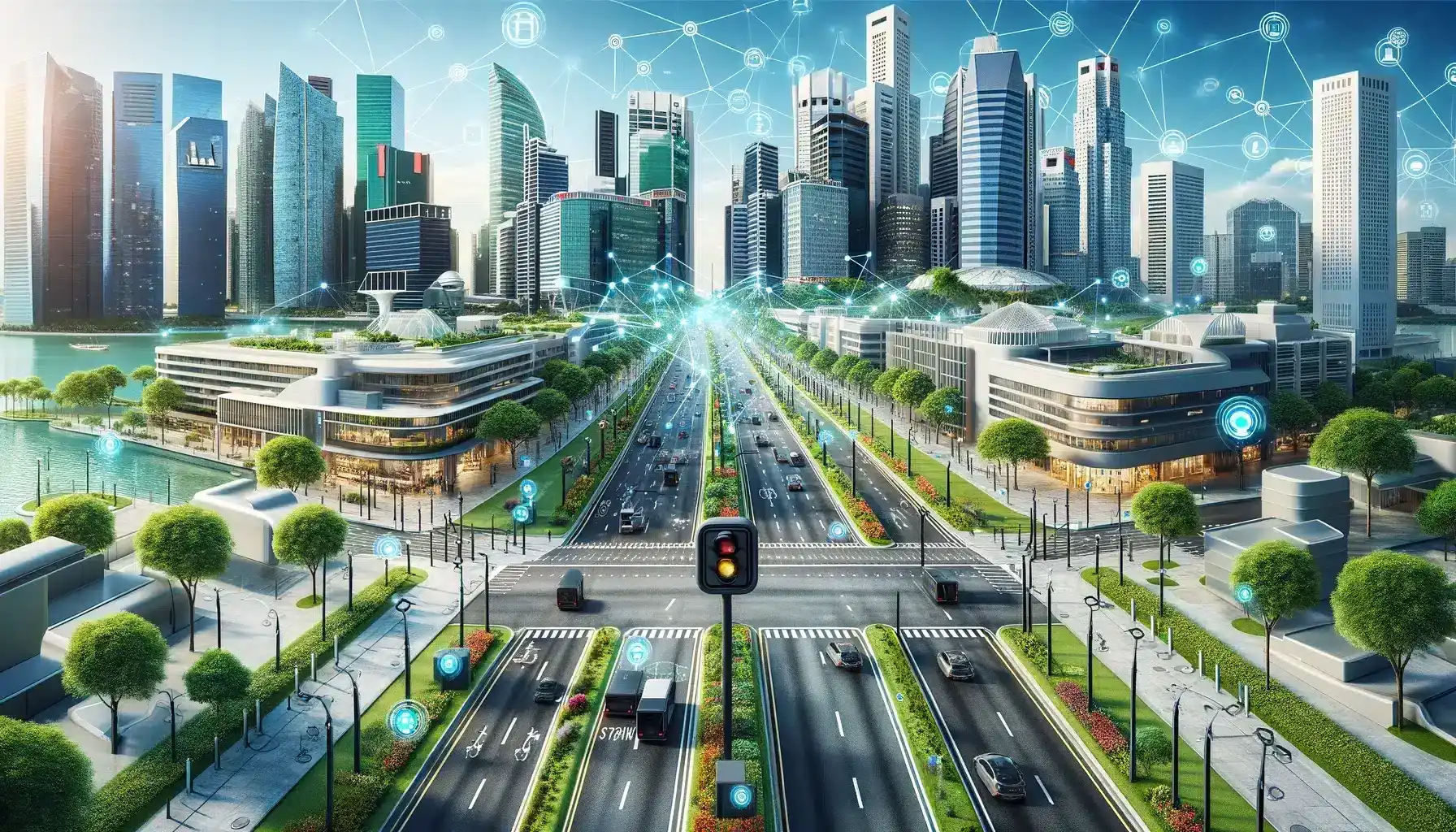
Smart cities are no longer futuristic concepts; they are rapidly becoming a reality across the globe. Governments and urban planners are integrating technologies like IoT sensors, AI-driven traffic systems, and data analytics to optimize everything from transportation to energy consumption. However, as innovation accelerates, so do the challenges. Experts in urban development and technology emphasize that understanding Emerging Trends in Smart Cities Development requires a balanced perspective one that considers both the transformative potential and the real-world risks associated with digital infrastructure.
The Evolution of Smart Cities in the Digital Age
Urban environments are rapidly transforming as technology becomes deeply integrated into infrastructure and daily life. The concept of Emerging Trends in Smart Cities Development reflects how cities are leveraging data, connectivity, and automation to improve efficiency and sustainability. This evolution is not just about technology—it’s about creating livable, resilient, and future-ready communities.
Integration of IoT in Urban Infrastructure
The Internet of Things (IoT) is at the core of smart city innovation, enabling real-time data collection and communication between devices. From traffic lights to waste management systems, IoT is optimizing urban operations and enhancing public services.
How IoT Enhances City Management
IoT devices collect and analyze data to help city officials make informed decisions. This leads to better resource allocation and improved service delivery.
Key Applications of IoT in Smart Cities
- Smart traffic management systems
- Intelligent waste collection
- Air quality monitoring
- Smart street lighting
Sustainable Energy and Green Technologies
Sustainability is a major focus in modern urban planning, with cities adopting renewable energy solutions and eco-friendly technologies. These efforts are reducing carbon footprints and promoting cleaner living environments.
Role of Renewable Energy in Smart Cities
Solar panels, wind energy, and smart grids are becoming essential components of urban infrastructure. These technologies support energy efficiency and reduce dependence on fossil fuels.
Pros and Cons of Green Technologies
| Pros | Cons |
| Reduced environmental impact | High initial costs |
| Energy efficiency | Maintenance challenges |
| Long-term savings | Technology dependency |
| Improved air quality | Infrastructure upgrades needed |
Smart Transportation Systems
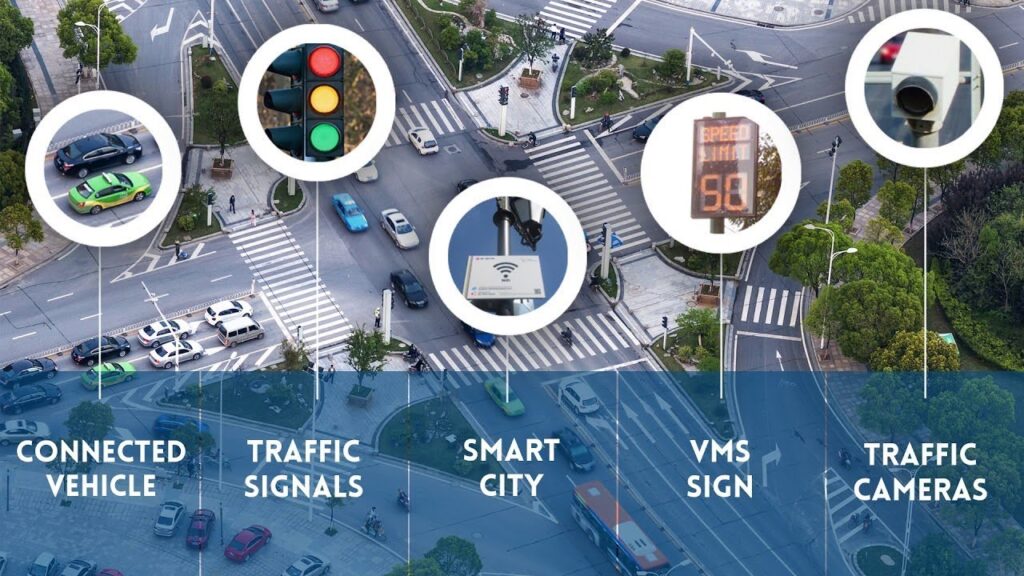
Transportation is being revolutionized through AI, IoT, and data analytics. Smart systems are reducing congestion, improving safety, and enhancing the overall commuting experience.
Intelligent Traffic Management
AI-powered traffic systems analyze patterns and adjust signals in real time to reduce delays. This improves traffic flow and minimizes fuel consumption.
Key Features of Smart Transportation
- Real-time traffic updates
- Autonomous vehicles
- Smart parking systems
- Integrated public transport apps
Data-Driven Governance and Urban Planning
Data is the backbone of smart city decision-making, enabling governments to plan more effectively. By analyzing large datasets, cities can predict trends and respond proactively.
Benefits of Data-Driven Decision Making
Governments can improve public services and optimize resources by relying on accurate data insights. This leads to more efficient and transparent governance.
Comparison: Traditional vs Smart Governance
| Traditional Governance | Smart Governance |
| Reactive approach | Proactive decision-making |
| Limited data use | Real-time analytics |
| Slower response | Faster service delivery |
| Manual processes | Automated systems |
Cybersecurity and Privacy in Smart Cities
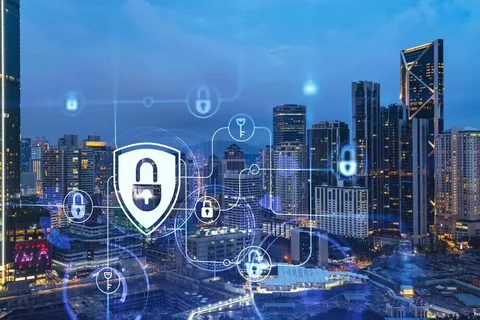
As cities become more connected, protecting data and systems becomes increasingly important. Cybersecurity is a critical aspect of Emerging Trends in Smart Cities Development, ensuring trust and safety.
Challenges in Smart City Security
The vast amount of data collected creates potential vulnerabilities. Cities must address these risks to maintain public trust.
Key Security Measures
- Data encryption
- Secure network infrastructure
- Regular system audits
- Privacy regulations compliance
Citizen-Centric Smart City Solutions
Modern smart cities focus on improving the quality of life for residents through personalized and accessible services. Technology is being used to make cities more inclusive and responsive.
Enhancing Urban Living Experience
Smart solutions aim to simplify daily life, from accessing services to participating in governance. This approach prioritizes citizen needs and engagement.
Examples of Citizen-Focused Innovations
- Mobile apps for city services
- Digital healthcare systems
- Smart education platforms
- E-governance portals
Frequently Asked Questions (FAQ)
1. Why are smart cities important for the future?
Smart cities improve efficiency, sustainability, and quality of life, making urban areas more adaptable to future challenges.
2. What technologies are used in smart cities?
Technologies include IoT, artificial intelligence, big data analytics, and cloud computing.
3. Are smart cities safe?
Smart cities can be safe if proper cybersecurity measures and data protection policies are implemented.
4. How do smart cities support sustainability?
They use renewable energy, optimize resource usage, and reduce waste and emissions through intelligent systems.
5. What is the biggest challenge in smart city development?
Balancing technological advancement with privacy, security, and affordability remains the biggest challenge.
Conclusion
The rise of smart cities marks one of the most significant transformations in modern urban development. As highlighted through the Emerging Trends in Smart Cities Development, technology is reshaping how cities operate making them more efficient, sustainable, and responsive to human needs. From IoT-driven infrastructure and smart transportation to data-powered governance and green energy solutions, the future of urban living is becoming increasingly interconnected.