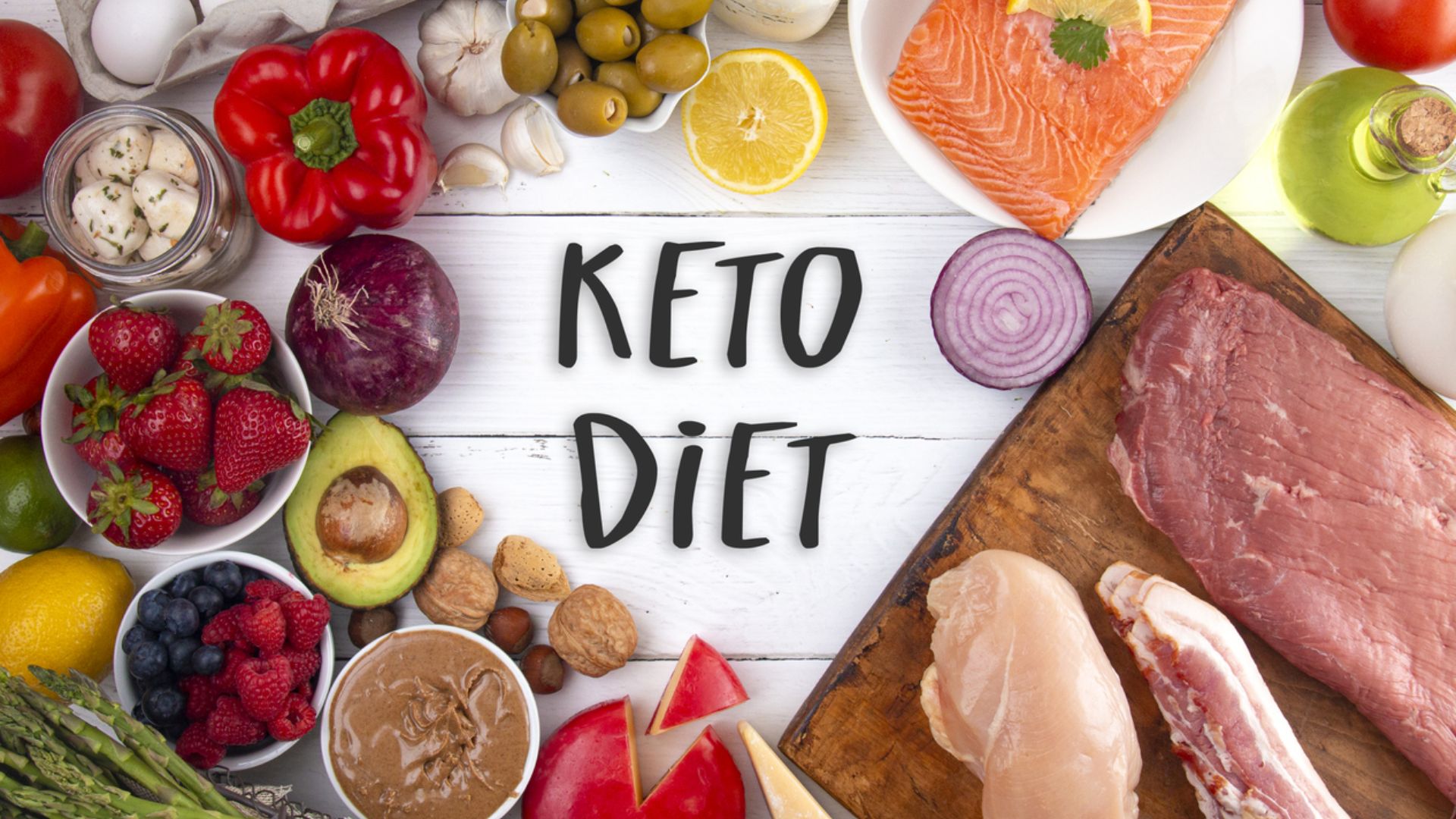
A recent wave of viral diet trends has left many people confused and in some cases, harmed after extreme eating plans promised quick results but delivered long-term health issues. From cutting out entire food groups to relying on “miracle” superfoods, the noise around nutrition has never been louder. In the middle of this chaos, one question stands out: what does a truly healthy way of eating actually look like? Understanding How to Build a Balanced Diet for Optimal Health is becoming more important than ever, not just for weight management, but for overall well-being.
Nutrition experts consistently emphasize that a balanced diet isn’t about restriction it’s about proportion, variety, and consistency. The human body requires a mix of macronutrients like proteins, carbohydrates, and fats, along with essential vitamins and minerals to function properly. Yet, with conflicting advice circulating online, many people struggle to separate science from hype. To fully grasp How to Build a Balanced Diet for Optimal Health, it’s crucial to rely on evidence-based practices and a realistic approach that fits everyday life.
Understanding the Basics of a Balanced Diet
A balanced diet provides the body with essential nutrients needed for energy, growth, and overall health. Learning How to Build a Balanced Diet for Optimal Health starts with understanding the right mix of macronutrients and micronutrients. It’s not about strict rules, but about maintaining variety and moderation in everyday meals.
Importance of Macronutrients in Daily Nutrition
Macronutrients—proteins, carbohydrates, and fats—form the foundation of a healthy eating plan. Each plays a unique role in supporting bodily functions and maintaining energy levels.
Proteins, Carbs, and Fats Explained
Proteins help repair tissues, carbohydrates provide energy, and healthy fats support brain function. A proper balance ensures your body performs efficiently throughout the day.
Key Sources of Macronutrients
- Proteins: eggs, chicken, lentils, beans
- Carbohydrates: whole grains, fruits, vegetables
- Healthy fats: nuts, seeds, olive oil
Role of Micronutrients for Optimal Health
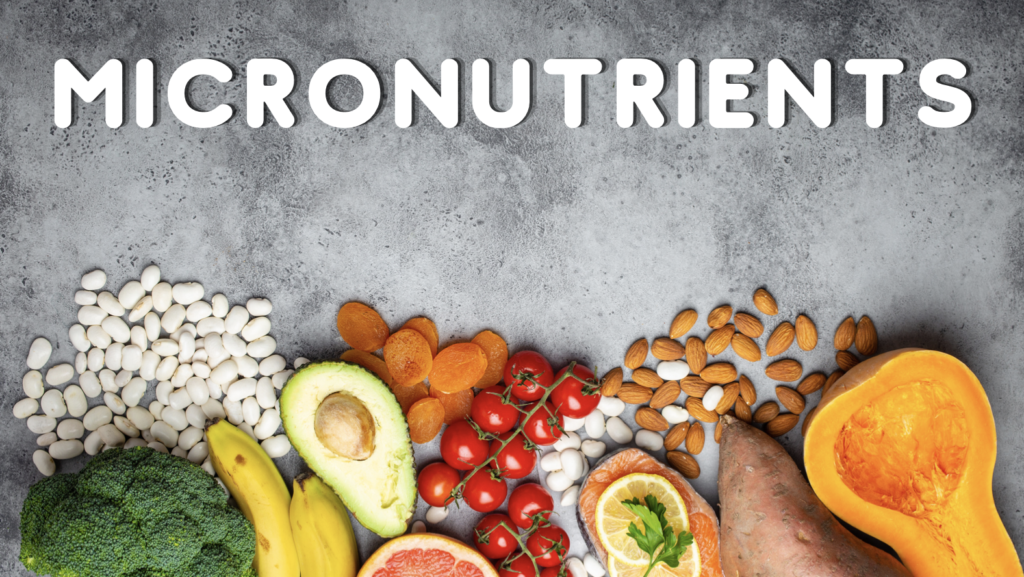
Micronutrients like vitamins and minerals are required in smaller amounts but are crucial for maintaining immunity and preventing diseases. They support everything from bone health to metabolism.
Essential Vitamins and Minerals
A diet rich in fruits, vegetables, and whole foods ensures adequate intake of essential nutrients. Deficiencies can lead to health issues over time.
Common Micronutrient Sources
- Vitamin C: citrus fruits
- Calcium: dairy products
- Iron: spinach, red meat
- Vitamin D: sunlight, fortified foods
Portion Control and Meal Planning
Eating the right portions is just as important as choosing the right foods. Overeating—even healthy foods—can disrupt balance and lead to weight gain.
How to Plan Balanced Meals
Meal planning helps maintain consistency and prevents unhealthy choices. It allows better control over nutrient intake and portion sizes.
Simple Meal Planning Tips
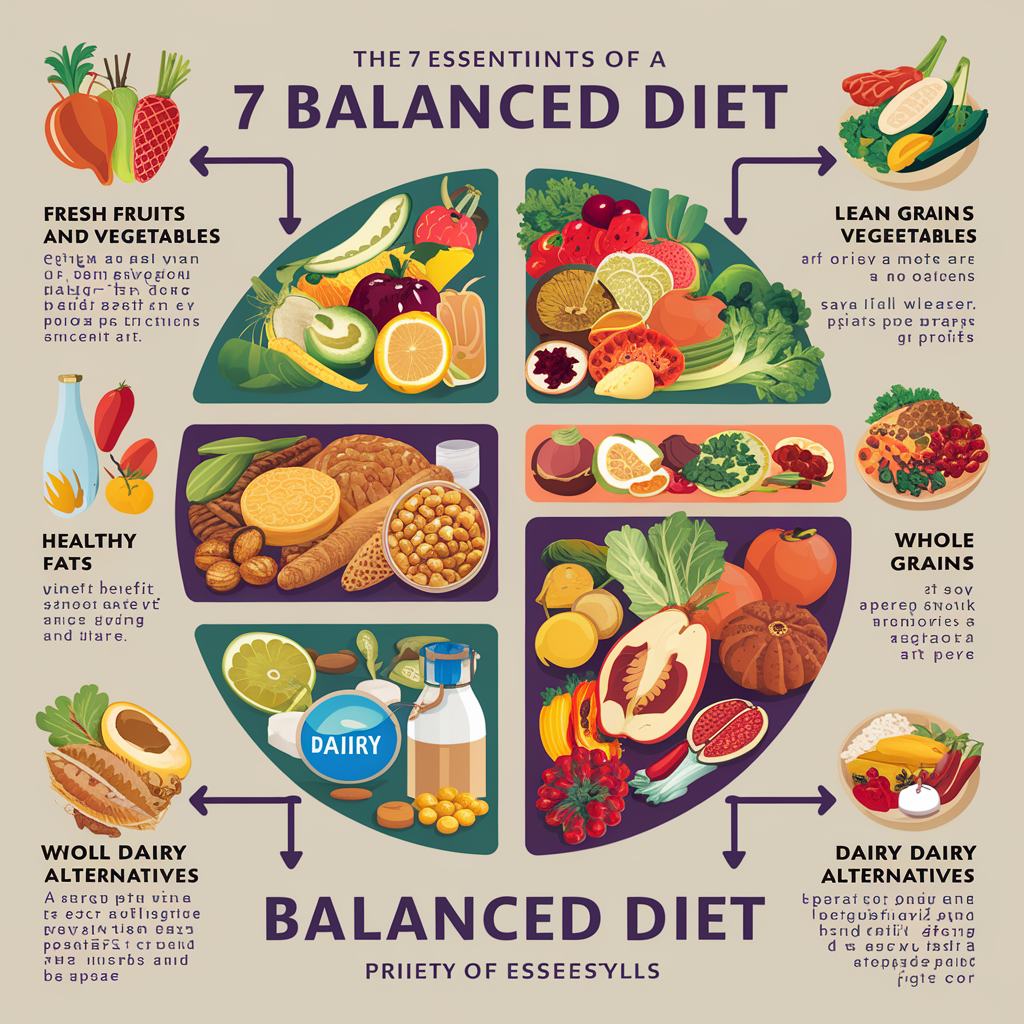
- Divide your plate: 50% vegetables, 25% protein, 25% carbs
- Avoid processed foods
- Stay hydrated
- Maintain regular meal timings
Healthy Eating Habits for Long-Term Success

Building a balanced diet is not just about food choices but also about habits. Consistency and mindful eating play a major role in achieving optimal health.
Developing Sustainable Eating Patterns
Healthy habits like eating slowly and avoiding distractions can improve digestion and prevent overeating. Small changes can lead to lasting results.
Good vs Bad Eating Habits
| Good Habits | Bad Habits |
| Eating fresh foods | Consuming junk food |
| Regular meal timing | Skipping meals |
| Drinking water | Sugary drinks |
| Portion control | Overeating |
Special Diet Considerations
Different individuals have different nutritional needs based on age, lifestyle, and health conditions. Customizing your diet is key to achieving optimal health.
Diet for Weight Loss vs Muscle Gain
Diet plans vary depending on goals. Weight loss focuses on calorie control, while muscle gain requires higher protein intake.
Comparison of Diet Goals
| Weight Loss Diet | Muscle Gain Diet |
| Calorie deficit | Calorie surplus |
| Low fat intake | High protein intake |
| More vegetables | More protein-rich foods |
| Portion control | Frequent meals |
Common Mistakes to Avoid in a Balanced Diet
Many people unknowingly make mistakes that disrupt their diet. Avoiding these can help maintain consistency and achieve better results.
Frequent Dieting Errors
Skipping meals, relying on supplements, and following extreme diets are common issues. These habits can negatively impact health.
Mistakes to Watch Out For
- Skipping breakfast
- Overeating healthy foods
- Ignoring hydration
- Following fad diets
FAQs:
1. How many meals should I eat in a day?
Most people benefit from 3 main meals and 1–2 healthy snacks, depending on their lifestyle and nutritional needs.
2. Can I eat carbs in a balanced diet?
Yes, carbohydrates are essential for energy. Choose healthy sources like whole grains and fruits.
3. Is fat bad for health?
Not all fats are bad. Healthy fats from nuts, seeds, and oils are important for brain and heart health.
4. How much water should I drink daily?
It is generally recommended to drink 6–8 glasses of water daily, but needs may vary.
5. Can I follow a balanced diet on a budget?
Yes, by choosing seasonal fruits, vegetables, and affordable protein sources like beans and lentils.
Conclusion
Building a healthy lifestyle doesn’t require extreme diets or complicated rules—it starts with understanding How to Build a Balanced Diet for Optimal Health and applying it consistently. By focusing on the right mix of macronutrients, essential vitamins, proper portion sizes, and mindful eating habits, you can create a diet that supports both your physical and mental well-being.