
A recent wave of controversy has shaken the digital retail world major brands quietly shifting to AI-driven storefronts while smaller sellers struggle to keep up with rising automation costs and algorithm changes. Behind the polished ads and “seamless shopping experiences,” the reality of online commerce is rapidly evolving. In the middle of this transformation, understanding E-commerce Trends to Watch in 2026 has become essential for anyone looking to stay competitive in the fast-moving world of online business.
E-commerce is no longer just about selling products online, it’s about creating intelligent, personalized shopping ecosystems powered by data, automation, and customer behavior insights. Industry experts and analysts highlight that 2026 will mark a major shift toward hyper-personalization, AI-powered customer service, and immersive shopping experiences like AR and voice commerce. Exploring E-commerce Trends to Watch in 2026 reveals not only where the industry is heading but also how businesses can adapt before they fall behind.
The Evolution of E-commerce in a Rapidly Changing Digital World
The online retail landscape is undergoing a massive transformation driven by technology, consumer behavior, and global market shifts. Understanding E-commerce Trends to Watch in 2026 is essential for businesses aiming to stay competitive in an increasingly digital-first economy. From AI-powered shopping experiences to smarter logistics, the industry is evolving faster than ever before.
Artificial Intelligence and Hyper-Personalized Shopping
AI is reshaping how customers discover, evaluate, and purchase products online. Personalized recommendations, predictive analytics, and automated customer service are becoming standard in modern e-commerce systems.
How AI Enhances Customer Experience
AI helps businesses understand user behavior and deliver tailored shopping experiences. This improves engagement and increases conversion rates significantly.
Key AI Applications in E-commerce
- Personalized product recommendations
- AI chatbots for customer support
- Predictive inventory management
- Dynamic pricing systems
Growth of Social Commerce Platforms
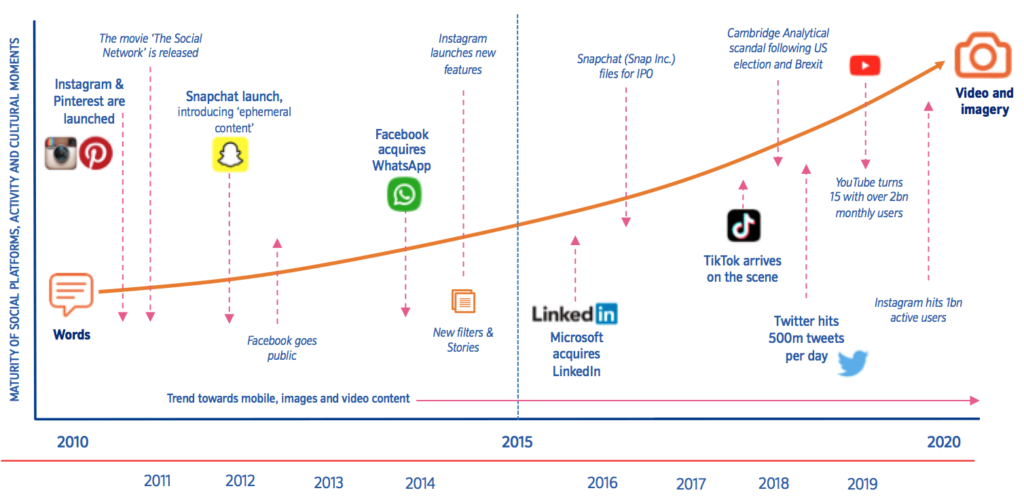
Social media platforms are no longer just for engagement—they are becoming powerful sales channels. Businesses are now selling directly through apps like Instagram, TikTok, and Facebook.
Why Social Commerce Is Expanding
Consumers prefer seamless shopping experiences without leaving their favorite platforms. This shift is driving higher engagement and faster purchase decisions.
Pros and Cons of Social Commerce
| Pros | Cons |
| Higher engagement rates | Platform dependency |
| Faster purchasing process | Limited customization |
| Strong influencer marketing | Algorithm changes impact reach |
| Easy product discovery | Data privacy concerns |
Rise of Voice and Visual Search in Online Shopping
Voice assistants and image-based search tools are changing how users find products online. These technologies make shopping faster and more intuitive.
How Search Technology Is Evolving
Customers can now search using natural language or images instead of traditional text-based queries. This improves accessibility and user experience.
Key Features of Modern Search Tools
- Voice-activated shopping commands
- Image recognition for product search
- Smart search suggestions
- AI-powered autocomplete
Expansion of Sustainable and Ethical E-commerce

Consumers are becoming more conscious of environmental and ethical issues. This is pushing brands to adopt sustainable practices and transparent supply chains.
Importance of Eco-Friendly Business Models
Sustainability is now a key factor influencing purchasing decisions. Brands that prioritize eco-friendly practices are gaining stronger customer loyalty.
Sustainability Practices in E-commerce
- Eco-friendly packaging
- Carbon-neutral shipping
- Ethical sourcing of materials
- Reduced digital waste
Advancements in Payment Technologies
The future of e-commerce payments is becoming faster, safer, and more flexible. Digital wallets, cryptocurrencies, and buy-now-pay-later services are gaining popularity.
Secure and Flexible Payment Options
Customers expect multiple payment choices that are both secure and convenient. This trend is shaping global online transactions.
Comparison of Payment Methods
| Traditional Payments | Modern Digital Payments |
| Cash on delivery | Digital wallets |
| Credit/debit cards | Cryptocurrency |
| Bank transfers | Buy-now-pay-later |
| Slower processing | Instant checkout |
Role of Automation in E-commerce Operations
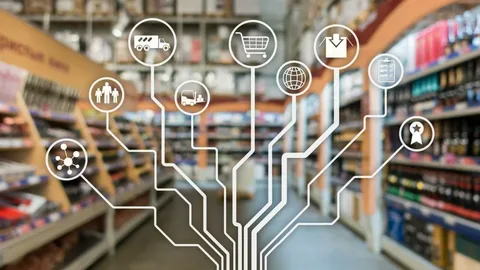
Automation is streamlining everything from order processing to customer service. Businesses are using technology to reduce costs and improve efficiency.
How Automation Improves Efficiency
Automated systems reduce human error and speed up operations, allowing businesses to scale faster.
Key Areas of Automation
- Inventory management
- Order fulfillment
- Customer support systems
- Marketing campaigns
FAQs:
1. How E-commerce Trends to Watch in 2026 will impact small businesses?
Small businesses can benefit from AI tools, social media marketing, and automation to compete with larger brands.
2. Is e-commerce still profitable in 2026?
Yes, e-commerce continues to grow globally, offering strong profit potential for innovative and adaptable businesses.
3. What skills are needed for e-commerce success?
Digital marketing, data analysis, customer service, and basic technical knowledge are essential skills.
4. How important is mobile commerce in 2026?
Mobile commerce is extremely important as most users shop through smartphones and mobile apps.
5. Can e-commerce work without social media?
While possible, social media significantly boosts visibility, engagement, and sales, making it highly recommended.
Conclusion
The world of online retail is entering a new era where innovation, speed, and personalization define success. As highlighted in the discussion on E-commerce Trends to Watch in 2026, businesses are no longer competing only on products they are competing on experience, technology, and customer trust. From AI-driven personalization to social commerce and sustainable shopping practices, the e-commerce landscape is evolving faster than ever.