
A recent controversy in the medical world has sparked global debate—patients receiving treatments tailored to their DNA saw remarkable recoveries, while others questioned the ethics of genetic data use and accessibility. This tension highlights a powerful shift happening right now in healthcare. The conversation around Breakthroughs in Personalized Medicine and Genetics is no longer confined to research labs; it’s shaping real-world treatments, outcomes, and expectations for the future of medicine.
Personalized medicine is transforming the traditional “one-size-fits-all” approach into something far more precise and effective. By analyzing genetic information, lifestyle factors, and individual health data, doctors can now design treatments that are uniquely suited to each patient. From targeted cancer therapies to gene-based diagnostics, understanding Breakthroughs in Personalized Medicine and Genetics reveals how science is moving toward more accurate, predictive, and preventive care. Backed by rapid advancements in genomics and biotechnology, this field is redefining what it means to treat disease.
The Rise of Personalized Medicine in Modern Healthcare
Healthcare is shifting from a generalized approach to a more tailored model, driven by Breakthroughs in Personalized Medicine and Genetics. This transformation allows treatments to be customized based on an individual’s genetic makeup, lifestyle, and environment. As a result, patients receive more precise care, improving outcomes and reducing unnecessary treatments.
Understanding Genetics and Its Role in Medicine
Genetics plays a crucial role in determining how diseases develop and how individuals respond to treatments. By studying DNA, scientists can identify risks and design targeted therapies.
How Genetic Information is Used
Medical professionals use genetic data to predict disease risk, diagnose conditions early, and select the most effective treatments. This approach enhances both prevention and care.
Key Applications of Genetics in Medicine
- Disease risk prediction
- Early diagnosis through genetic testing
- Tailored treatment plans
- Pharmacogenomics (drug response analysis)
Advances in Genetic Testing Technologies
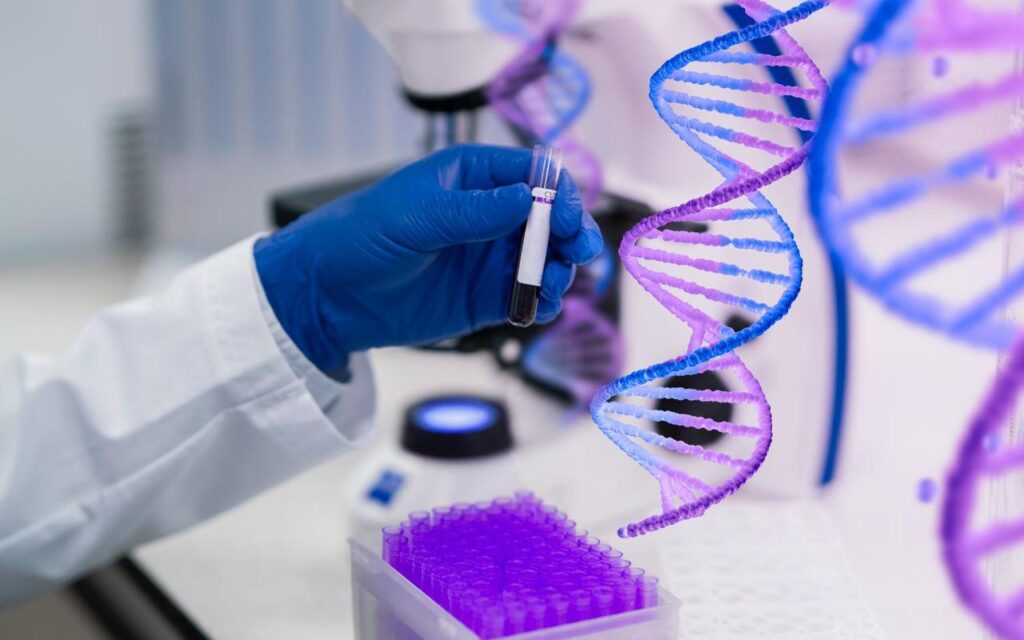
Technological innovations have made genetic testing faster, more affordable, and widely accessible. These advancements are central to Breakthroughs in Personalized Medicine and Genetics.
Types of Genetic Tests
Different tests serve different purposes, from identifying inherited conditions to analyzing cancer-related mutations.
Common Genetic Testing Methods
| Test Type | Purpose |
| Diagnostic Testing | Detects existing conditions |
| Predictive Testing | Identifies future disease risk |
| Carrier Testing | Determines inherited gene risks |
| Pharmacogenomic Testing | Guides medication choices |
Targeted Therapies and Precision Treatments
Personalized medicine focuses on treatments designed specifically for an individual’s genetic profile. This approach is revolutionizing how diseases like cancer are treated.
Benefits of Precision Medicine
Targeted therapies improve effectiveness while minimizing side effects. Patients receive treatments that are more aligned with their unique biology.
Pros and Cons of Targeted Therapies
| Pros | Cons |
| Higher treatment accuracy | High cost |
| Fewer side effects | Limited availability |
| Faster recovery | Requires genetic testing |
| Better patient outcomes | Complex implementation |
Role of Big Data and AI in Personalized Medicine
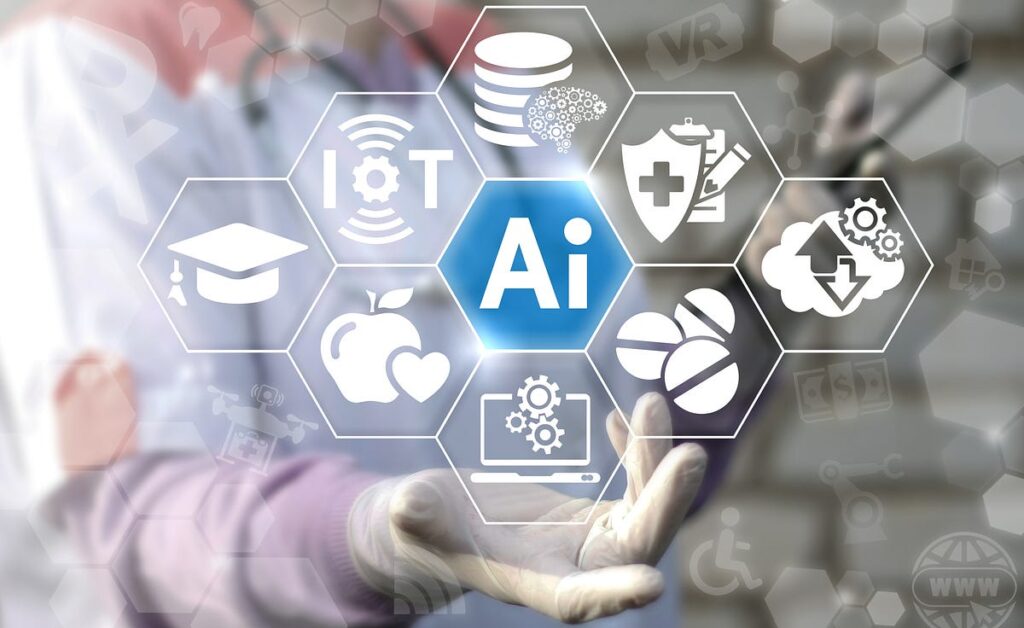
Data analytics and artificial intelligence are accelerating discoveries in genetics. These technologies analyze large datasets to uncover patterns and improve decision-making.
How AI Enhances Medical Research
AI helps identify genetic markers, predict disease outcomes, and recommend treatments. It speeds up research and improves diagnostic accuracy.
Key Benefits of AI Integration
- Faster data analysis
- Improved diagnosis accuracy
- Predictive healthcare insights
- Enhanced drug development
Ethical Challenges and Data Privacy Concerns
While innovation is advancing, ethical concerns are also growing. Issues like genetic data security and patient consent are critical in this field.
Addressing Privacy Risks
Protecting sensitive genetic information is essential to maintaining trust in personalized medicine. Regulations are evolving to safeguard patient data.
Key Ethical Concerns
- Data privacy and security
- Genetic discrimination
- Informed consent
- Accessibility and fairness
Future Trends in Personalized Medicine and Genetics

The future holds exciting possibilities, including gene editing and advanced predictive healthcare. These developments will further enhance personalized treatment options.
Emerging Innovations
New technologies are pushing the boundaries of what is possible in healthcare, making treatments more effective and accessible.
What to Expect in the Future
- Gene editing technologies (e.g., CRISPR)
- Personalized vaccines
- Advanced predictive diagnostics
- Integration with wearable health devices
FAQs:
1. What is the main benefit of personalized medicine?
The main benefit is improved treatment effectiveness through customized care based on individual genetic profiles.
2. Are genetic tests expensive?
Costs have decreased significantly, making many tests more accessible, though some advanced tests can still be costly.
3. Can personalized medicine prevent diseases?
Yes, it can help identify risks early and enable preventive measures to reduce the likelihood of disease.
4. What are the risks of genetic data sharing?
Risks include data breaches and misuse of sensitive information, which is why strong privacy measures are necessary.
5. How will personalized medicine evolve in the future?
It will become more advanced with AI, gene editing, and improved access, making healthcare more precise and proactive.
Conclusion
The rapid progress in Breakthroughs in Personalized Medicine and Genetics is redefining the future of healthcare in ways that were once unimaginable. By moving beyond generalized treatments and focusing on individual genetic profiles, modern medicine is becoming more precise, effective, and preventive. From early disease detection to targeted therapies, these innovations are offering hope for better outcomes and longer, healthier lives.