
A recent wave of backlash against major corporations accused of “greenwashing” has sparked global debate are companies truly becoming sustainable, or simply marketing sustainability as a trend? As investigations and consumer awareness grow, businesses are under increasing pressure to prove real environmental impact rather than surface-level promises. In this shifting landscape, understanding Sustainable Business Practices for Long-Term Growth has become a defining factor between companies that thrive and those that lose public trust.
Sustainability is no longer just a corporate buzzword it is a core strategy shaping how modern organizations operate, invest, and grow. From reducing carbon footprints to building ethical supply chains, companies are rethinking traditional business models to align with environmental and social responsibility. Experts emphasize that mastering Sustainable Business Practices for Long-Term Growth is not only about protecting the planet but also about ensuring long-term profitability and resilience in an increasingly conscious global market.
The Growing Importance of Sustainable Business Practices
Modern businesses are increasingly shifting toward eco-friendly and responsible operations to ensure long-term success. Understanding Sustainable Business Practices for Long-Term Growth is now essential for companies aiming to stay competitive while meeting environmental and social expectations. Sustainability is no longer optional—it is a core part of future business strategy.
Understanding Sustainability in Business Operations
Sustainability in business refers to practices that minimize environmental impact while maintaining profitability. It focuses on balancing economic growth with environmental and social responsibility.
Key Elements of Sustainable Business Models
Sustainable businesses prioritize resource efficiency, ethical sourcing, and long-term value creation. These elements help companies reduce waste and improve brand reputation.
Core Principles of Sustainability
- Efficient use of natural resources
- Ethical supply chain management
- Reduced carbon emissions
- Long-term value creation
Environmental Responsibility and Eco-Friendly Practices
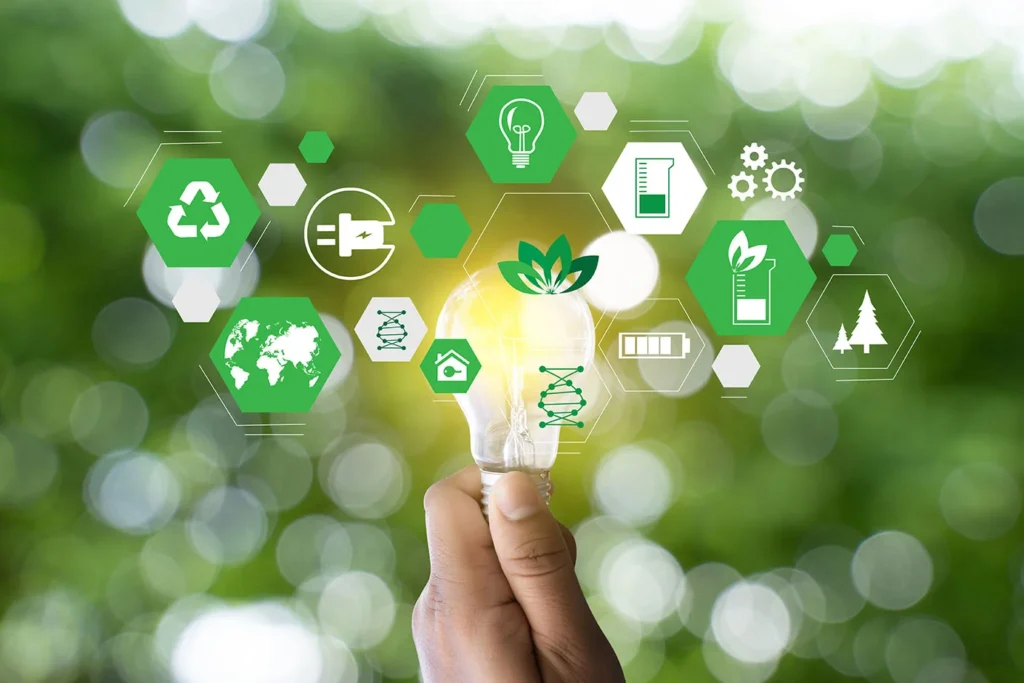
Environmental responsibility plays a major role in shaping sustainable businesses. Companies are adopting green strategies to reduce their ecological footprint.
How Businesses Reduce Environmental Impact
Organizations are implementing renewable energy, waste reduction, and recycling programs. These steps help protect the environment while improving operational efficiency.
Common Eco-Friendly Practices
- Use of renewable energy sources
- Sustainable packaging solutions
- Waste recycling and management
- Water conservation techniques
Economic Benefits of Sustainable Business Practices
Sustainability is not just good for the environment—it also improves profitability. Companies adopting green practices often experience long-term financial advantages.
Cost Savings Through Sustainability
Efficient resource usage and waste reduction help businesses lower operational costs. Over time, this leads to stronger financial performance.
Pros and Cons of Sustainable Practices
| Pros | Cons |
| Lower long-term costs | High initial investment |
| Improved brand reputation | Transition challenges |
| Customer loyalty | Training requirements |
| Regulatory compliance | Implementation time |
Social Responsibility and Ethical Business Conduct
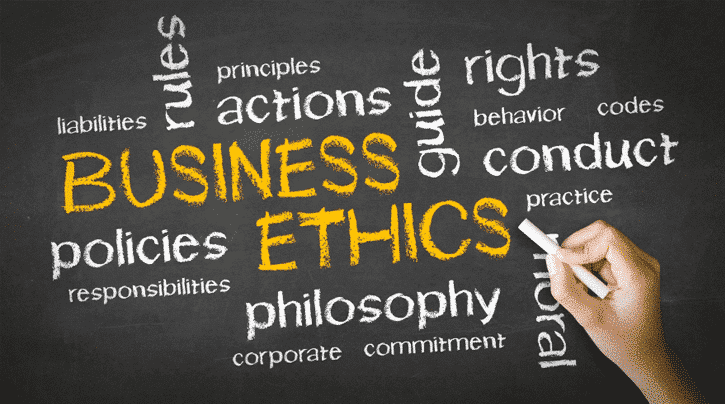
Sustainable businesses also focus on social impact by supporting employees, communities, and ethical labor practices. This builds trust and long-term customer relationships.
Importance of Corporate Social Responsibility
CSR initiatives help businesses contribute positively to society while strengthening their brand identity.
Key CSR Activities
- Fair labor practices
- Community development programs
- Employee well-being initiatives
- Ethical sourcing policies
Role of Technology in Sustainable Growth
Technology is enabling businesses to adopt smarter and more efficient sustainability practices. Digital tools help monitor and reduce environmental impact.
How Innovation Supports Sustainability
Advanced technologies improve energy efficiency, reduce waste, and enhance supply chain transparency.
Technology-Driven Solutions
- AI-powered energy management
- Smart supply chain systems
- Data analytics for efficiency
- Cloud-based operations
Challenges in Implementing Sustainable Practices
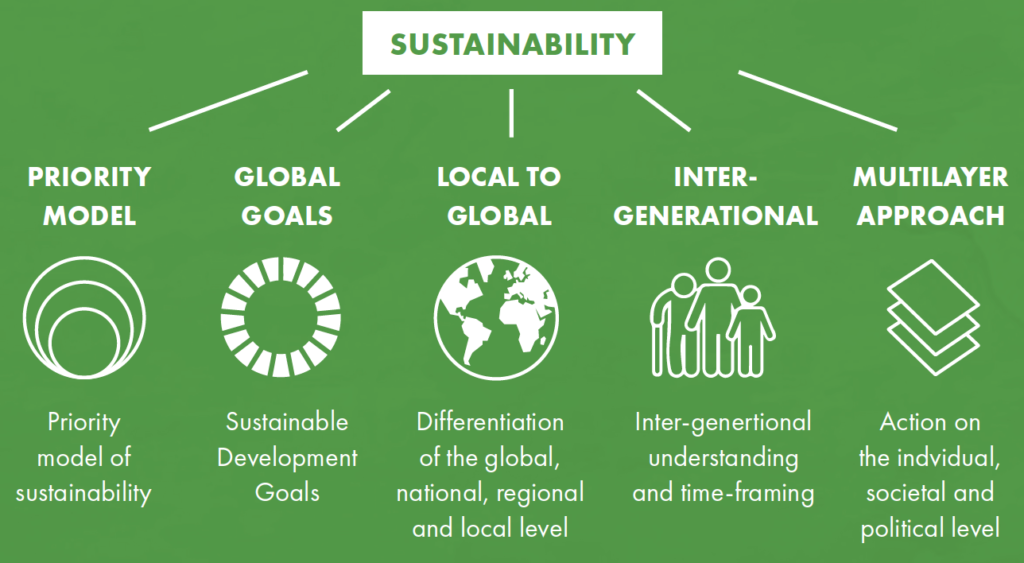
While sustainability offers many benefits, businesses often face challenges during implementation. These include cost, awareness, and operational limitations.
Common Barriers to Sustainability
Many companies struggle with balancing profitability and environmental responsibility.
Key Challenges
- High initial setup costs
- Lack of awareness
- Resistance to change
- Limited resources
FAQs:
1. What is the main goal of sustainable business practices?
The main goal is to achieve long-term growth while minimizing environmental and social harm.
2. Are sustainable businesses more profitable?
Yes, over time they often reduce costs and attract more environmentally conscious customers.
3. What industries benefit most from sustainability?
Manufacturing, retail, energy, and agriculture benefit significantly from sustainable practices.
4. Is sustainability expensive for small businesses?
Initial costs can be high, but long-term savings and benefits often outweigh them.
5. How does sustainability improve brand image?
It builds trust, attracts loyal customers, and shows commitment to ethical practices.
Conclusion
Sustainability is no longer a future goal `it is a present-day requirement for businesses that want to remain relevant and competitive. As highlighted through Sustainable Business Practices for Long-Term Growth, companies that integrate environmental responsibility, ethical operations, and smart resource management are better positioned to achieve lasting success. This shift is not just about compliance, but about building a stronger and more resilient business model.